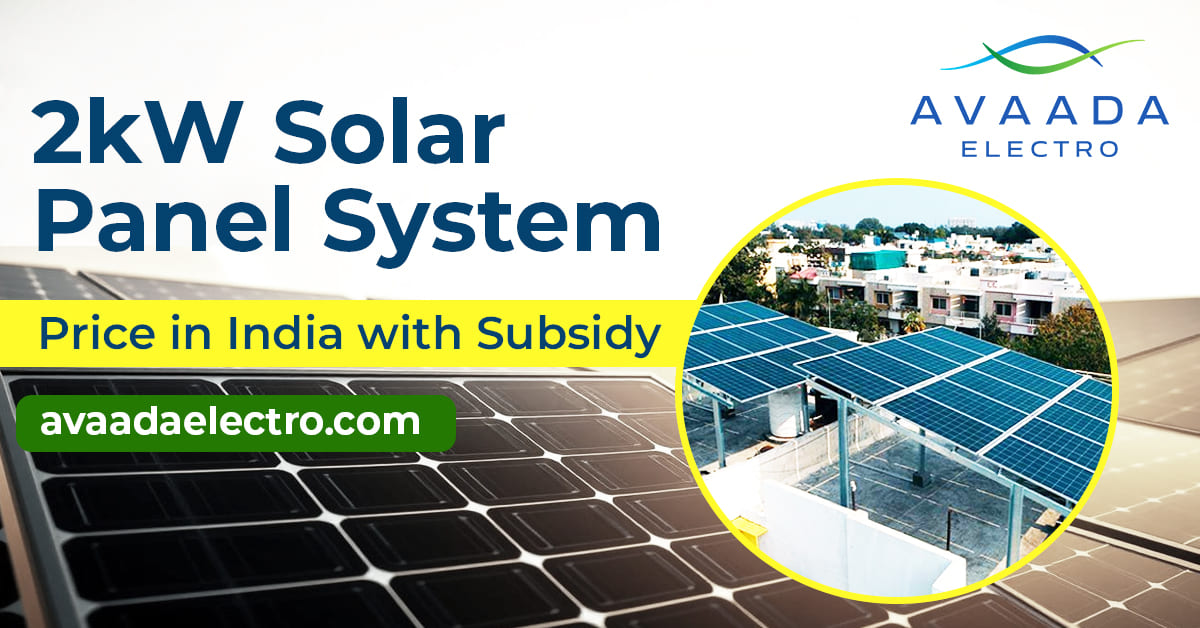
If you intend to reduce your electricity bills but do not plan to invest heavily, you may consider a 2 kW solar panel system, which is quite feasible for an Indian house in 2026. The increase in monthly rates can be a problem, particularly for many households, such as small families, apartments, and independent floors. With a 2 kW rooftop system, the balance of power output, affordability, and payback will be ideal.
Due to the robust demand by the Central Government via the PM Surya Ghar Muft Bijli Yojana, rooftop solar is much more available. Residential solar has never been easier with subsidies, ease in approval procedures, and digital tracking being provided by the government.
Here, we discuss the price of the 2 kW solar panel system in India, the subsidy you will be receiving in 2026, what savings you will be making, and what this installation will really need. By the end, you will be in a position to know whether a 2 kW solar system is the right fit in your home and how much you are able to save in a realistic manner, every month.
What is a 2 kW Solar Panel System?
A solar system of 2 kW is a roof-mounted solar system which could provide 2000 watts (2 kilowatts) at full sunshine. This does not mean the number of panels, but how much solar power you can build using your roof.
The Power Generation of a 2 kW System
In the majority of Indian cities, a 2 kW system generally produces:
- 8 – 10 units per day
- 2,900 – 3,600 units per year
This is because it is ideal to be used in low-to-medium energy consumption households that desire reliability in power supply during the day and low electricity bills.
Rooftop Space Required
Typically, a 2 kW solar system requires –
- 180–200 sq. ft. of shadow-free space
This also incorporates the area of panels, walkway breaks and electrical cables.
How Many Panels Does a 2 kW System Need?
The number of panels depends on panel wattage (Wp) –
Using Latest N-Type TOPCon Panels (630-720 Wp)
Panels required: 3 to 4
Benefits:
- Higher efficiency (23%+)
- Better shade performance
- Lower space requirement
Using Mono-PERC Panels (440-550 Wp)
Panels required: 4 to 6
Benefits:
- Lower cost
- Good for basic rooftop needs
Using high-efficiency panels reduces both roof-space usage and long-term energy losses.
Advantages of a 2 kW Solar Panel System Installation
The rooftop solar system of 2 kW is an excellent balance of cost and savings, as well as energy security. The following are the largest benefits:
1. Electricity bill major savings
A standard household will save INR 8000 -1,500 each month, depending on usage.
In one year, this saves INR 10,000-18,000, that is INR 100,000-180,000, without any lifestyle change.
2. Fast payback (3.5 – 4.5 Years)
The payback of a 2 kW system is much quicker than a bigger system; this is due to subsidies and the dropped prices of the panels.
You have nearly free electricity after the payback period, which is 20+ years.
3. Higher property value
Solar pre-installed homes are more appealing to consumers as they assure them of reduced monthly payments.
A 2 kW system will make the property attractive, particularly in urban markets.
4. Insurance against the increasing tariffs
In the majority of DISCOMs electricity tariffs increase nearly on a yearly basis.
Solar will protect you against such variants, providing you with predictable and consistent home energy rates.
5. Environmental benefits
A 2 kW solar system lowers the amount of carbon emissions by 2.4 – 2.6 tonnes of CO₂ per year, equal to planting 120 -140 trees annually
This renders the small systems highly effective for the environment.
Difficulties Encountered by Homeowners and How to Beat Them
Here are some practical issues that Indian homeowners often have to deal with and how to address them.
1. Net metering approval delays
The time taken to carry out approval differs among DISCOMs.
Solution – Select one of the installers who already works in your state; he or she does all the paperwork and follow-ups.
2. Roof shade and space restrictions
Trees, buildings or tanks located near power lines can limit power production.
Solution – VIP Topcon high-efficiency panels.
3. Select system type (On-Grid vs Hybrid vs Off-Grid)
Many buyers get confused about which one to choose.
Solution – If you desire a subsidy and optimal ROI, select On-Grid.
4. Vendor selection by ALMM-Approved vendors
Compulsory subsidy and quality control.
Solution – It should always ensure that the installer uses ALMM-approved and certified modules.
2 kW Solar Panel System Price in India (2026 Updated)
Due to falling solar module prices and better domestic manufacturing capacity, the cost of 2 kW systems in 2026 is lower than ever.
Average 2026 Market Prices
- On-Grid 2 kW: ₹1,30,000 – ₹1,60,000
- Hybrid 2 kW: ₹1,80,000 – ₹2,30,000
- Off-Grid 2 kW: ₹1,90,000 – ₹2,40,000
Costs vary based on –
- Panel type (TOPCon vs Mono-PERC)
- Inverter brand
- Location
- Mounting structure type
Updated Cost Table of 2 kW Solar Panel System in India – Before & After Subsidy
2 kW solar panel price after subsidy and before as well –
| System Type | Before Subsidy (Avg.) | Subsidy | Final Price (Approx.) |
| 2 kW On-Grid | ₹1,30,000 – ₹1,60,000 | ₹52,000 | ₹78,000 – ₹1,08,000 |
| 2 kW Hybrid | ₹1,80,000 – ₹2,30,000 | Not eligible | ₹1,80,000 – ₹2,30,000 |
| 2 kW Off-Grid | ₹1,90,000 – ₹2,40,000 | Not eligible | ₹1,90,000 – ₹2,40,000 |
Tip: On-grid systems offer the best value for money due to subsidies and the highest long-term ROI.
What Can a 2 kW Solar System Run? (Realistic Load Guide)
A 2 kW solar system can power the essential load of a small Indian household comfortably.
Regular Loads (Runs Easily)
- 8-10 LED lights
- 3-4 ceiling fans
- 1 refrigerator
- TV & Set-top box
- Wi-Fi router
- Laptop/computer
- Mobile chargers
Moderate Loads (Occasional Usage OK)
- Washing machine
- Mixer/grinder
- Small pump (0.5 HP)
Not Suitable (Without Batteries)
- Air Conditioner
- Geyser
- Large motors
- Heavy heating appliances
A 2 kW system is ideal for low to medium-consumption homes seeking dependable daytime power and strong bill reductions.
Government Subsidy for 2 kW Solar System (PM Surya Ghar Yojana 2026)
The Indian households have been rendered small rooftop systems, such as 2 kW, very affordable through the PM Surya Ghar Muft Bijli Yojana. Its subsidy system is straightforward –
Systems up to 3 kW (including 1 kW, 2 kW and 3 kW systems) shall be subsidised by 40%.
In the case of a 2 kW system, the total value of the subsidy available is INR 52,000.
The subsidy is passed to the bank account of the homeowner once the installation, inspection and net-metering approval are done. You are not required to pay the system cost minus subsidy at an upfront stage, but rather the subsidy is accrued in the future.
Important –
ALMM-approved solar modules must be installed, and a DISCOM-empanelled vendor must be chosen; otherwise, the subsidy will not be granted.
The system should not be on the grid (systems that have battery backup are not eligible).
2 kW Solar System Cost Breakdown – Where Does Your Money Go?
To help you understand exactly where your money goes, here is a transparent component-wise breakup of a typical 2 kW rooftop solar system in India –
| Component | Description | Approx. Cost (₹) |
| Solar Panels | 4–6 Mono-PERC / 3–4 TOPCon panels | ₹48,000 – ₹60,000 |
| Solar Inverter | 2 kW on-grid inverter | ₹22,000 – ₹28,000 |
| Mounting Structure | GI/Aluminium structure with fasteners | ₹12,000 – ₹18,000 |
| DC/AC Cables & Wiring | High-quality fire-resistant wiring | ₹6,000 – ₹10,000 |
| Protection Devices | MCB, SPD, ACDB, DCDB, earthing kit | ₹10,000 – ₹14,000 |
| Labour & Installation | Skilled installation & safety setup | ₹12,000 – ₹18,000 |
| Net Metering Fee | DISCOM charges | ₹500 – ₹1,500 |
| Total Estimated Cost | Before subsidy | ₹1,30,000 – ₹1,60,000 |
Payback & ROI Analysis
A 2 kW solar system offers one of the fastest payback periods in the residential segment due to its low cost, high efficiency, and subsidy support.
Let’s calculate a realistic example.
Total Cost Before Subsidy
₹1,40,000 (mid-range)
Subsidy for 2 kW
₹52,000
Net Cost to Homeowner After Subsidy
₹88,000
Average Monthly Savings
₹800 – ₹1,500 depending on your usage and tariff rates.
Annual Savings
₹10,000 – ₹18,000
Payback Period
3.5 – 4.5 years
After this, your system generates almost free electricity for 20+ years, giving you a very high lifetime ROI.
ROI Table Example
| Parameter | Value |
| System Size | 2 kW |
| Final Cost After Subsidy | ₹88,000 |
| Average Daily Generation | 8–10 units |
| Monthly Savings | ₹800 – ₹1,500 |
| Yearly Savings | ₹10,000 – ₹18,000 |
| Payback Period | 3.5–4.5 years |
| 25-Year Lifetime Savings | ₹3.5 – ₹4.5 lakh |
| CO₂ Reduction (Annual) | 2.4–2.6 tonnes |
| Equivalent Trees Planted (Annual) | 120–140 trees |
Factors That Affect the Total Cost of a 2 kW Solar System
Although 2 kW systems are cheap, the cost may vary with individual houses. The following are the most important factors that are involved in determining your final cost:
1. Panel efficiency (TOPCon vs Mono-PERC)
TOPCon panels (630-720 Wp) are marginally more expensive, but are more efficient and have better long-term performance than Mono-PERC.
2. Inverter type
An on-grid inverter is cheaper than a hybrid inverter that can accommodate battery storage.
3. Roof structure
Flat roofs are needy in terms of structure and hardware, and the metal sheds require alternative mounting, which influences the cost of installation.
4. Cable & protection quality
Higher quality DC cables, ACDB/DCDB and SPDs make the system safer and extend the life of the cable and also cost more.
5. Distance from the vendor
Delivery and labour fees are different depending on the city and the location of your installer.
6. Labour variation by the state
The cost of installation is a little more in the metros than in smaller cities.
7. DISCOM documentation requirement
Other states have imposed fees on net-metering, safety approvals and application processing.
2 kW Solar System Step-by-Step Installation Guide
The PM Surya Ghar Yojana is simply installed with a 2 kW solar system. Here is the complete process –
Step 1: Filling the Government Portal form.
Make a PM Surya Ghar account using your consumer number.
Step 2: Rechoose an Empanelled Vendor.
Select a licensed supplier in your state DISCOM.
Step 3: Feasibility Check and Survey of the site.
The vendor or DISCOM analyses roof-space, wiring and shade.
Step 4: Panels and Inverter Installation.
Your vendor assembles the panels, wires the inverter, and installs the configuration as well as safety measures.
Step 5: Approval and Synchronisation of Net Metering.
The bidirectional meter is installed by DISCOM, and the grid connection is authorised.
Step 6: Subsidy Deposited into your Bank Account.
The 2 kW (INR 52,000) subsidy is then sent back to your bank account after final verification.
Avaada Electro
Avaada Electro is a solar manufacturing business division of the Avaada Group and supplies modules that meet required certification standards
1. Premium technology
Installs N-type TOPCon modules (630-720 Wp) at a 23% efficiency.
2. Smart manufacturing
Modules are manufactured at the company’s Butibori facility using automated processes.
3. Certifications you can count on
ALMM-Listed (mandatory to subsidise)
BIS, UL, IEC Certified
Adheres to international quality and safety standards.
4. Long-term protection
Has up to a 30-year performance warranty.
5. India-wide supply and project execution
Good distribution throughout the nation.
Experience in EPC, rooftop and O&M services.
6. Strong industry reputation
Supported by renewable investments made by the Avaada Group in both large-scale (including in MoUs) and smaller (such as the 36,000 crore green power investment in Gujarat) scale.
An optimal mix of high efficiency modules, compliance and long-term reliability.
Comparison: 1 kW vs 2 kW vs 3 kW Solar Systems
| Feature | 1 kW | 2 kW | 3 kW |
| Daily Generation | 4–5 units | 8–10 units | 12–15 units |
| Monthly Savings | ₹400–₹700 | ₹800–₹1,500 | ₹1,500–₹2,500 |
| Subsidy (2026) | ₹30,000 | ₹52,000 | ₹78,000 |
| Roof Space Needed | 80–100 sq.ft. | 180–200 sq.ft. | 260–300 sq.ft. |
| Best For | 1 BHK / low usage | 1–2 BHK homes | 2–3 BHK homes |
Maintenance & Performance Tips (Simple & Practical Advice)
The following are the basic requirements to maintain a running 2 kW system and ensure over 25 years of service:
1. Regular Cleaning
Wipe the panels after 15-30 days so that there is no dust to cover them, to ensure more sunlight is absorbed.
2. Use the monitoring app
Check inverter or app data frequently to check that your system is generating normally.
3. Safety checks
Visit wiring, earthing, and protection devices after one year.
4. Avoid shade
Re-cut trees around the area or move the water tanks in the way of sunlight.
5. Plan upgrades wisely
In case of the addition of a battery later, refer to your installer about the compatibility of the inverter.
These are just some of the steps that keep performance down and ensure your investment is safe.
Final Takeaway
One of the smartest upgrades of the small Indian households in 2026 is a 2 kW rooftop solar system. It will save monthly bills, have a quick payback of 3.5-4.5 years, and will provide near-free electricity within the next 20+ years. The system is now even cheaper with the ₹52,000 subsidy to first-time users.
Choosing ALMM-listed, high-efficiency modules can support system performance and long-term reliability when installed correctly.
A 2 kW system provides the optimal combination of cost, savings and long-term payback in case you are thinking of switching to solar this year.
Frequently Asked Questions
How much can a 2 kW solar system cost in India, in 2026?
₹1,30,000 – ₹1,60,000
What is the subsidy on a 2 kW solar system?
INR 52,000 under the PM Surya Ghar Yojana.
What is the size of the roof area to be used?
Around 180–200 sq ft.
Can a 2 kW system run an AC?
Not suggested unless to be used with a battery/hybrid.
What is the power output of a 2 kW system?
8–10 units per day on average.
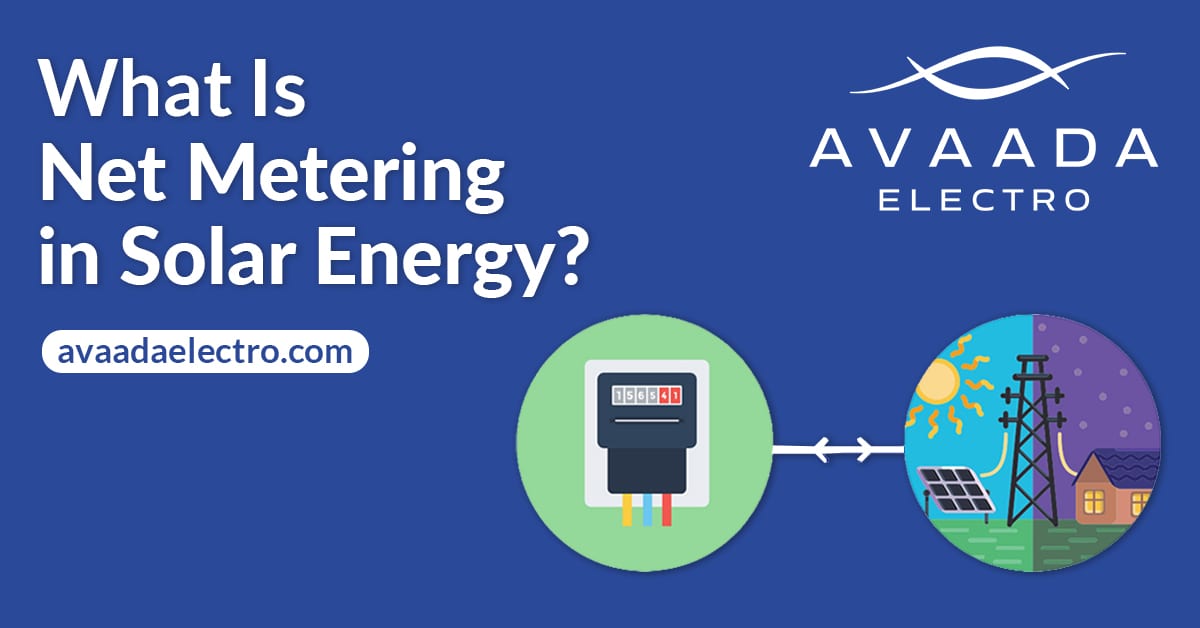
Is net metering mandatory?
Yes, on-grid and eligibility for subsidies.
How long will a 2 kW solar system last?
25–30 years.
Is the Avaada panel subsidy-approved?
Yes, Avaada Electro modules are ALMM listed.
How long is the installation time?
1–2 days after approvals.
What maintenance is needed?
General cleaning and inspection once a year.