
In India, the sunny weather, government incentives, and the increasing demand for a clean energy source have made India carve out a booming solar energy industry. The country is at the forefront of the green energy transition with such large projects as Bhadla Solar Park. These guidelines talk about the adoption of solar, its advantages, expenditure and ways to maintain the solar.
Since ancient times, the sun has been worshipped as the life-giver to Earth. Proper technology, such as solar panel installation, can harness this energy to carry out several activities. The best part is that you’ll never run out of Solar energy. We can continue to harness it as long as the sun shines!
Solar energy is a clean energy source as it does not release harmful gases into the atmosphere. It also reduces the dependency on fossil fuels. This is especially important for India as solar energy helps reduce our country’s dependency on imported fuels.
Because of its unique geographical position, India has great potential for solar system installation. By the end of March 2025, its total solar power capacity stood at 105,646 MW. India is emerging as a leading player in the global solar power sector. With different government incentives, solar energy adoption has grown significantly. India’s biggest solar Power plant, Bhadla Solar Park, is in Jodhpur, Rajasthan, and the state is spearheading India’s transition to green energy.
This blog will guide you through the adoption of solar energy, its uses, the installation process of solar panels, cost considerations, and tips for proper maintenance and care.
Why Choose Solar Energy In 2026?
The more we switch to solar energy, the less we depend on fossil fuels like coal and petroleum. Solar system installation allows you to tap into the various benefits of solar energy, such as:
Environmental benefits
The sun is a source of renewable energy. It reduces carbon emissions in the environment. It reduces the emission of greenhouse gases, which are the major contributors to climate change. Every kilowatt-hour of solar energy produced in India translates to one less kWh generated using fossil fuels. This means avoiding around 0.86 tons of CO₂ per MWh emitted by coal-based plants.
Economic benefits
Switching to solar energy reduces your dependency on conventional power and helps you save on your electricity bill. After solar panel installation, it requires little to no maintenance. You can enjoy the benefits of various government subsidies. This improves the overall Return on Investment (ROI) and helps save money in the long run. Consumers switching to solar energy through rooftop systems installation have seen a 20–30% reduction in electricity bills.
Energy independence
Solar energy increases energy independence by reducing dependency on coal and petroleum. India depends on imports for its energy needs. By switching to solar, we can reduce our import dependency and strengthen energy security.
Government of India’s Support For Solar Installations
The government of India has launched several schemes to boost solar production and utilisation. These government schemes have optimised the solar installation cost in India. For example
PM Surya Ghar Muft Bijli Yojana provides subsidies for rooftop solar installation and has catalysed residential solar adoption.
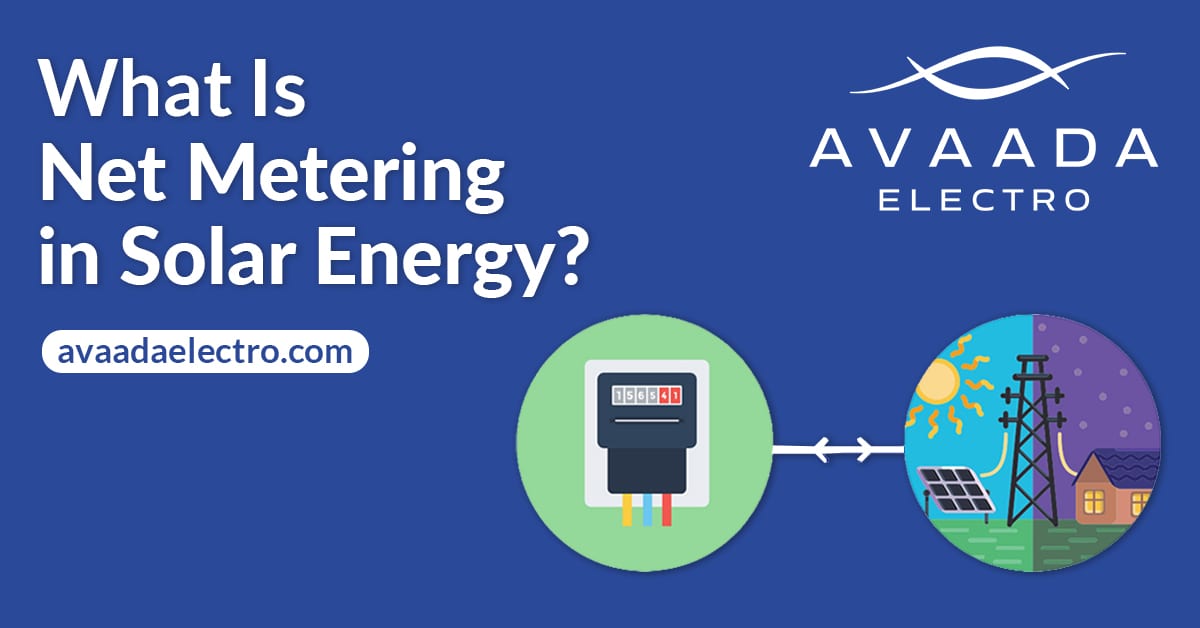
The Production Linked Incentive scheme promotes the production of high-quality and efficient solar PV modules. Besides these central government schemes, several state subsidies and initiatives, like net metering, which enables customers to supply excess solar energy back to the grid and offset their bills, have significantly increased Solar energy adoption in India in 2026.
Solar energy finds use in several activities such as:
- Solar water heaters can be used to heat water in homes.
- Solar energy can be used for domestic electricity generation.
- It can also be used for cooking purposes.
- Solar system installation can power small businesses and even industries. Solar panels are installed in power lights, electrical appliances, and heavy machinery industries.
- Solar energy can be widely used in agriculture and farm practices. For example, solar pumps can pump water from the ground, reducing the use of diesel-run pumps.
What is a Solar PV system?
A solar Photovoltaic (PV) system uses the sun’s energy to generate electricity. It is commonly known as a solar panel.
It contains an array of PV cells that absorb sunlight and convert it into electricity. Electrons are knocked out as sunlight falls on the solar cells, generating a small electric current through the photovoltaic effect. The electricity produced from the solar panels is DC, which is converted into AC using an inverter. This current is used to power electrical appliances locally or sent to the grid for use elsewhere.
Types of PV Systems
- On-grid PV systems are the most commonly found solar PV installation systems. They are connected to the public electricity grid. They do not need batteries.
- Off-grid PV systems are not connected to the public electricity grid and are ideal for remote areas where public grids cannot be extended. These are completely independent of external power grids and require batteries.
- Hybrid PV systems are connected to the public electricity grid and have solar batteries that provide a backup energy supply.
Key Components of PV Systems
The PV system that converts sunlight into electrical energy comprises various components.
- Solar panels
A PV system consists of one or more solar panels made of solar cells with semiconductor properties. These properties allowed them to capture sunlight and convert it into electricity. Based on cell composition and how they capture light, solar panels are of three types:
- Monocrystalline
Black coloured solar cells, made of a single silicon crystal, are highly efficient.
- Polycrystalline
Blue coloured solar cells, made of multiple silicon crystals melted together, are less efficient
- Bifacial
Captures sunlight on both front and rear surfaces.
- Inverter
It converts DC into AC. Usually, two types of inverters are used:
- String inverters connected to a series of solar panels convert the entire DC output to AC output.
- Micro inverters are connected to each panel individually and convert the DC of each panel.
- Mounting structure
It fixes the solar panel installation to the ground or rooftop. It is usually constructed from steel or aluminium. It should be robust and able to withstand adverse conditions.
- Battery system
It stores the energy generated to be used at night or on cloudy days.
- Charge control
It controls the flow of electricity, prevents overcharging of the battery, and extends the battery life.
- Wiring, connectors, and monitoring equipment
These transport the electrical energy between each component and must be adequately sized to carry the current.
- Monitoring system
Essential for tracking the overall performance of the PV system.
Step-By-Step Solar Panel Installation Process
Now that we understand solar panels and how they work, we will learn about solar PV installation systems.
Initial assessment and site survey
The first and most crucial step is to assess whether your property is suitable for solar energy. Assess the condition of your roof, its angle, and orientation. Shading analysis is essential because trees and buildings can cast shadows on your panel, reducing efficiency. The electric current present and future needs help to calculate the size of the solar system required.
Mounting structure installation
They hold your panel in place and give stability and support. Mounting structures are usually made of steel or aluminum. They must be tilted between 18 and 36 degrees so solar panels collect sunlight properly.
Panel installation
Using nuts and bolts, solar panels should be secured in mounting structures.
Electrical wiring: Next comes setting up the electrical wiring, depending on the model. Series (here, the positive wire of one PV module is connected to the negative wire of another) or parallel (Here, the positive wire is connected to the positive and negative cables) connection sequences can be followed.
Installation of the inverter
It must be installed near the main panel and not on the roof because it is supposed to be in a cool place without sunlight.
Battery installation
If your solar system includes a battery for storage, it must be installed along with an inverter. This is optional and is appropriate for hybrid and off-grid systems. It must be appropriately installed, as any system failure can cause fires.
Grid connection and net metering setup
After that, the inverter needs to be linked to the grid. The main power switchboard can be connected using a regular socket. An output wire is connected to the electrical board that provides power. The electrical grid is linked to the net metering solar power systems, which measure excess energy transferred to the grid.
Grounding and surge protection are essential for safety and to prevent electrical shock. They also ensure that the system operates smoothly.
Monitoring and performance testing
Once the installation is complete, the system undergoes testing to ensure it works properly. Electrical tests are performed. Some systems come with monitoring software that tracks energy or any other issue.
System commissioning
After testing and performance monitoring, the solar system becomes operable. However, before that, a field inspection must be done. A local inspector visits to ensure that all the safety and building codes are followed.
Safety tip
Ensure the electricity is switched off during the solar panel installation.
Common Mistakes To Avoid
Solar system installation is a long-term investment, so you should look out for some mistakes to avoid.
- Incorrect system sizing
Before finalizing the system size, it is essential to research energy usage and solar panel capacity. Oversizing could lead to unnecessary costs, and undersizing could result in inadequate energy output.
- Poor quality components
Substandard components like batteries can damage the entire system. So, make sure to go after certified manufacturers only.
- Not paying attention to shading and orientation
Solar panels are sun light-dependent. If a large part of the system is shaded, output can drop significantly. So it should be placed correctly.
- Ignoring the compliance documents
Be it residences or businesses, specific guidelines and permissions are needed for solar installation. Skipping this can lead to fines and legal actions.
- Skipping professional inspections
DIY installation of solar panels can prove fatal in the long run. A professional knows all the technicalities of handling solar installation, making professional inspection non-negotiable to ensure your solar investment’s safety and long-term protection.
Solar Panel Maintenance and Monitoring
The solar installation cost in India has been decreasing due to technological advancements. However, proper maintenance of solar panels can vastly increase energy production. Here’s what to do:
- Regular cleaning of panels for optimal output
Clean solar panels at least twice yearly to keep them in good condition. If the rooftop solar installation is in a congested area with high pollution, clean it more often.
Clean water, mild detergents, and soft bristle brushes will do most of the cleaning.
- Periodic inspection of cables, inverter, and mounting hardware
Visual inspections from time to time can help you detect possible damage early on. You can also call professionals for the inspections.
- Using real-time monitoring apps or platforms
Modern solar systems include digital monitoring tools that provide real-time performance data. You can track how much electricity is produced, consumed, and fed back into the grid with a click.
An important point is that even if your solar system appears to run smoothly, you can not detect all issues yourself. So, book a trained technician who can nip the evil in the bud, so minor problems do not escalate.
Solar Installation Cost and ROI in India
As of 2026, the average cost of solar panel installation can vary between 1.5 – 5 lakhs INR.
The significant expenditure is on solar panels. The cost of 1 kW solar panels is around INR 37,500 to INR 42,000, depending on the wattage and type. Then, the inverter cost has to be accounted for, which may range between 20k and 80k.
- Mounting structures range from INR 10,000 to INR 50,000.
- Batteries cost around ₹25,000 to ₹35,000 on average.
- Additional components, including labour charges, are also part of the cost.
The Indian government provides subsidies to offset major parts of this expenditure. This is covered under the PM Surya Ghar scheme. For systems up to 2kW in capacity, the program offers a 60% subsidy of the cost of the solar unit.
For systems between 2 and 3kW capacity, the subsidy is 40% of the additional system cost.
A 3kW capacity cap has been placed on the subsidy.
At the present benchmark rates, this translates to a subsidy of Rs 30,000 for 1kW systems, Rs 60,000 for 2kW systems, and Rs 78,000 for systems that are 3kW or more.
Also, there are certain state-specific incentives from the Indian government.
Conclusion
All in all, solar system installation is worth it for all the reasons. It drives economic and environmental benefits. Having read about how to install solar panels, their benefits, maintenance, and cost, it’s time to hunt down the best solar technology brand: Avaada Electro. Get in touch with Avaada and relax as you install solar technology!
Frequently Asked Questions
Can I install solar panels myself?
It is possible to install the panels yourself, but it’s not recommended. This is because installing solar panels is a complex process, and one needs to have the technical knowledge to do it.
How long do solar panels last?
Solar panels last about 25 – 30 years with proper maintenance.
Do I need a battery for solar?
Batteries allow the solar system to operate during power outages. While batteries are an optional component, there are several advantages to using a battery.
How much electricity can I generate with a 3kW system?
With a 3kW system, you can generate about 12-15 units of electricity daily.
Is net metering available in my state?
Net metering is available in multiple states in India, including Delhi, Maharashtra, Tamil Nadu, Karnataka, Gujarat, Rajasthan, and Haryana.