

The solar inverter is an important part of any solar power system. A solar inverter converts the direct current (DC) electricity generated by solar modules into alternating current (AC) electricity for use by household appliances and other electrical loads. Depending on the system type, it can also manage power flow, grid interaction and battery storage. The right inverter depends on factors such as system size, electricity requirements, battery storage and budget.
Solar inverter prices in India vary considerably based on the inverter type, capacity, features and brand. Understanding these differences can help you select a system that suits your energy requirements.
Solar Panel Inverter Price in India
The price of a solar inverter depends on its technology, capacity and whether it supports battery storage. The following are indicative market prices, including 12% Goods and Services Tax (GST).
System Capacity | On-Grid Solar Inverter Price | Off-Grid Solar Inverter Price | Hybrid Solar Inverter Price |
₹8,000 – ₹14,000 | ₹12,000 – ₹18,000 | ₹18,000 – ₹28,000 | |
₹14,000 – ₹25,000 | ₹18,000 – ₹32,000 | ₹30,000 – ₹50,000 | |
₹18,000 – ₹35,000 | ₹25,000 – ₹45,000 | ₹40,000 – ₹70,000 | |
₹28,000 – ₹50,000 | ₹40,000 – ₹65,000 | ₹60,000 – ₹1,00,000 | |
₹50,000 – ₹90,000 | ₹70,000 – ₹1,20,000 | ₹1,00,000 – ₹1,80,000+ |
Prices can vary by brand, model, specifications, warranty and installation requirements.
What is a Solar Inverter System and Why Does Its Price Vary?
A solar inverter is the main power conversion unit in a solar system. It converts the DC electricity generated by solar panels into AC electricity for use in homes, businesses and other applications. Depending on the system type, it can also manage battery charging and coordinate power flow between solar panels, batteries, electrical loads and the grid.
Several factors influence the price of a solar inverter:
- Conversion efficiency: Higher-efficiency models convert more available solar energy into usable electricity.
- Maximum Power Point Tracking (MPPT): Multiple MPPT inputs allow different sections of a solar array to operate independently when they have different orientations or shading conditions.
- Build quality: Inverters designed for outdoor installation may have higher ingress protection ratings, such as IP65 or IP66.
- Monitoring features: Wi-Fi connectivity, mobile applications and real-time performance monitoring can increase the cost.
- Battery compatibility: Inverters that support battery storage generally cost more than basic on-grid models.
Also Read – What is a Solar Inverter?
On-Grid Solar Inverter Price in India
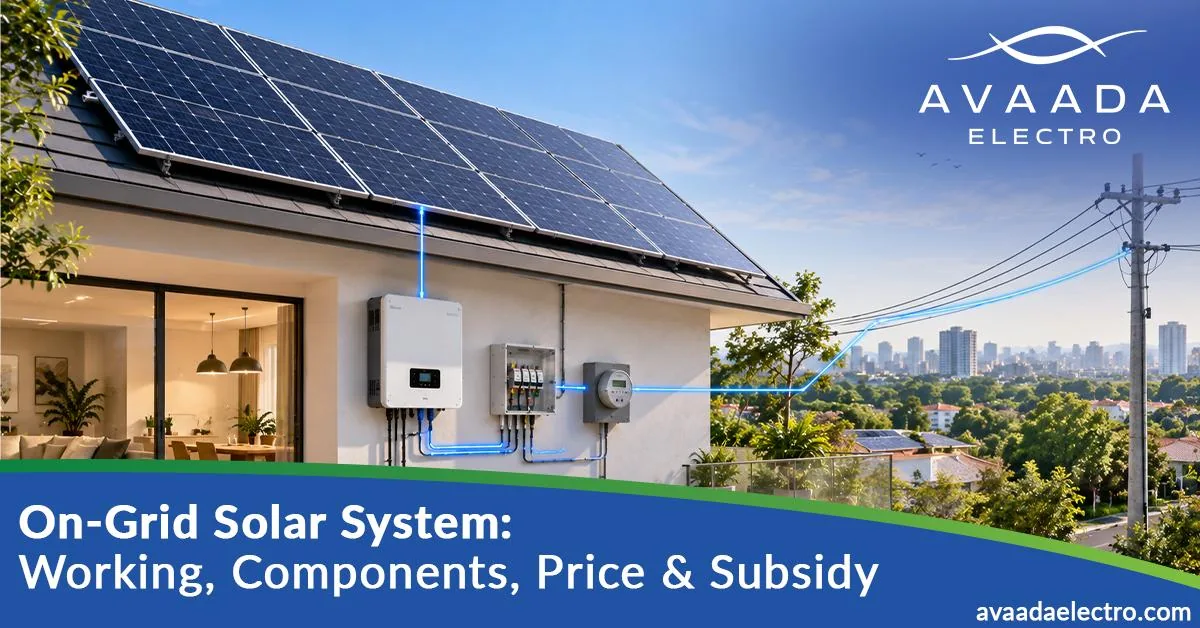
On-grid, or grid-tied, inverters connect to the electricity grid and generally do not require batteries. They convert DC electricity from the solar panels into AC electricity for household or commercial use. Excess electricity can be exported to the grid under applicable net-metering arrangements.
A 1 kW on-grid inverter may cost around ₹8,000 to ₹14,000, while 3 kW models generally range from ₹18,000 to ₹35,000. Larger 5 kW to 10 kW models can cost around ₹28,000 to ₹90,000.
One important feature of grid-connected systems is anti-islanding protection. During a grid outage, the inverter automatically stops supplying electricity to the grid to protect utility workers and the electrical network.
Eligibility for government subsidies depends on the applicable scheme, system requirements and current guidelines. Residential rooftop solar systems under schemes such as PM Surya Ghar may qualify for central financial assistance, subject to the applicable conditions.
Off-Grid Solar Inverter Price in India
The off grid solar inverter price in India depends on the inverter capacity, battery configuration, surge capacity, features and brand.. They convert electricity generated by solar panels into usable AC power and can direct excess energy to batteries for later use.
A 1 kW to 2 kW off-grid inverter may cost around ₹12,000 to ₹32,000, while 3 kW to 5 kW models can range from ₹25,000 to ₹65,000. Larger systems can cost more depending on their battery configuration, surge capacity and other features.
Off-grid systems can be useful in locations with limited grid access or frequent power interruptions. Overall system cost also depends on the battery bank, solar panels, mounting structure and other electrical components.
For rooftop installations, the inverter should be appropriately sized and electrically compatible with the selected solar modules and array configuration. Avaada Electro supplies N-type TOPCon bifacial modules with efficiencies of up to 23.60%. Its manufacturing facilities in Dadri and Butibori, Nagpur support the production of solar modules and related components.
Hybrid Solar Inverter Price in India
Hybrid solar inverters combine solar power generation, battery storage and grid connectivity in a single system. During the day, solar electricity can power connected loads and charge the battery. Excess electricity may be exported to the grid where the system and local regulations allow it.
When grid power is unavailable, a compatible hybrid system can use stored battery power to supply selected loads. This makes hybrid inverters useful for homes and businesses that want both solar generation and backup power.
Prices generally start at around ₹18,000 to ₹28,000 for smaller systems, while 5 kW models can cost around ₹60,000 to ₹1,00,000. A 10 kW hybrid inverter may cost around ₹1,00,000 to ₹1,80,000 or more.
The actual price depends on the inverter model, battery compatibility, backup capacity and monitoring features.
How to Choose the Right Solar Inverter Capacity
Choosing the right inverter capacity starts with understanding your electricity requirements. Consider the following factors:
- Assess peak load: Calculate the combined power requirement of appliances that may operate at the same time. A home using lights, fans, a refrigerator and an air conditioner may require a higher-capacity inverter than a home with lighter loads.
- Match the solar array: The inverter capacity should be compatible with the total capacity and electrical characteristics of the solar panel array. The permitted DC-to-AC ratio varies by inverter manufacturer and model.
- Consider future expansion: If you plan to increase your solar capacity or add an electric vehicle or battery later, consider an inverter that can support the planned expansion.
- Check MPPT requirements: Multiple MPPT inputs can be useful when panels are installed on different roof sections or orientations.
- Consider battery needs: Choose a battery-compatible or hybrid inverter with appropriate backup functionality if battery-based backup power is an important requirement.
Also Read – Top Solar Panel Companies in India
Conclusion
The right solar inverter depends on your system size, electricity demand, grid availability and need for battery backup. On-grid inverters can suit grid-connected homes and businesses, while off-grid systems can support locations without reliable grid access. Hybrid inverters combine solar generation with battery storage and grid connectivity.
Select solar panels and an inverter that are compatible. Factors such as inverter capacity, MPPT configuration, conversion efficiency, warranty, monitoring features and service support can affect overall system performance and cost.
Planning a solar system? For the high-efficiency, made-in-India solar modules that pair with your inverter, contact the Avaada Electro team for product and technical guidance.
FAQs
What is the price of a solar inverter in India?
Solar inverter prices can start at around ₹8,000 for smaller on-grid models and exceed ₹1,80,000 for larger hybrid systems. The final price depends on capacity, technology, brand, features and battery compatibility.
How much does a solar inverter cost compared to a normal home inverter?
A conventional home inverter mainly provides battery backup and is generally less complex. A solar inverter also manages electricity generated by solar panels and may include MPPT, grid synchronisation and monitoring features. So, it can cost more.
What is the price of a 3 kW solar inverter?
A 3 kW on-grid inverter may cost around ₹18,000 to ₹35,000. Off-grid models can range from ₹25,000 to ₹45,000, while hybrid models may cost around ₹40,000 to ₹70,000.
What is the price of a 5 kW solar inverter?
A 5 kW on-grid inverter may cost around ₹28,000 to ₹50,000. Off-grid models can range from ₹40,000 to ₹65,000, while hybrid models may cost around ₹60,000 to ₹1,00,000.
What is the off-grid solar inverter price in India?
Off-grid solar inverter prices can range from around ₹12,000 for smaller systems to ₹1,20,000 for larger-capacity models. Battery voltage, surge capacity, features and brand can affect the final price.
Which solar inverter brands are available in India?
Several domestic and international brands offer solar inverters in India, including Solis, Growatt, Havells and Fronius. Compare specifications, warranty terms, service availability and compatibility with the solar system before selecting a model.
Does the solar inverter price include installation?
The listed market price generally refers to the inverter hardware. Installation, cabling, AC/DC distribution boxes, mounting accessories and applicable approvals may involve additional costs.
How long does a solar inverter last before it needs replacing?
The operating life of a solar inverter depends on its quality, operating conditions, maintenance and usage. Many manufacturers offer warranties of around 5 years, with extended warranty options available for some models. Replacement requirements can vary by product and operating conditions.
How much does an inverter cost?
How much an inverter costs depends on its type and capacity. In India, solar inverter prices can start from around ₹8,000 for smaller 1 kW on-grid models and can exceed ₹1,80,000 for larger hybrid inverters. Off-grid and hybrid models generally cost more because they can support battery storage and additional power-management features.